The 1984 Children’s Day Stamp With No Children On It
India Post handed a schoolchild a national stamp and asked for Children’s Day. He painted a tree full of birds, a herdsman, and not a single child.
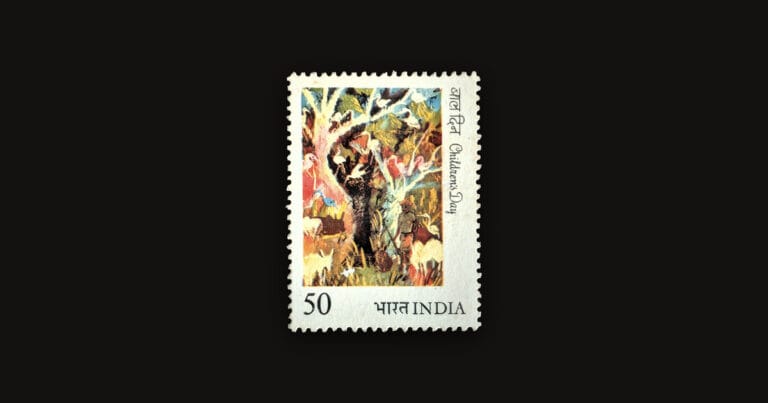
India Post handed a schoolchild a national stamp and asked for Children’s Day. He painted a tree full of birds, a herdsman, and not a single child.
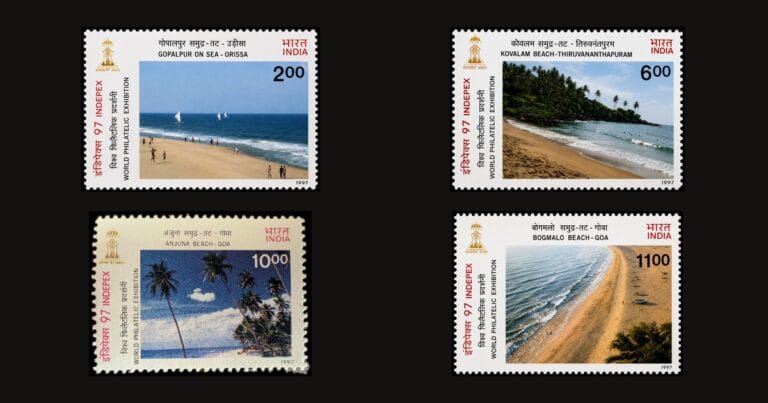
Four stamps, four Indian coastlines, one recurring pattern: the coastline stays, its history slips beyond the frame.
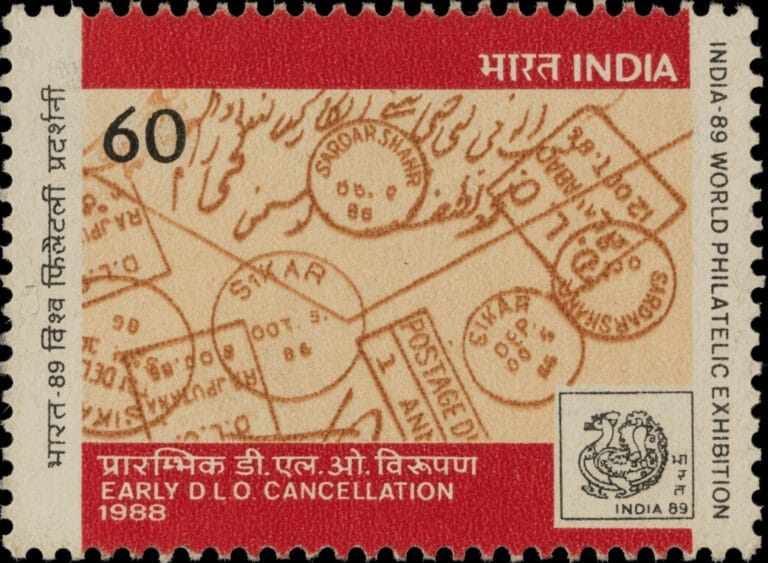
Most stamps preserve history by depicting it. This one preserves history by reproducing the marks history leaves behind. The 1989 World Philatelic Exhibition stamp turned postal markings into the central image of a celebration.
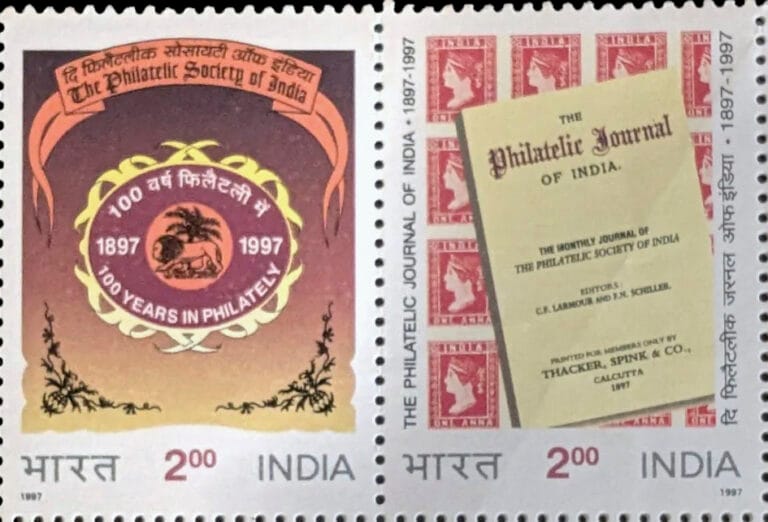
A members-only journal, printed for fifty subscribers in colonial Calcutta, was enlarged onto a national postage stamp a hundred years later. Nobody removed the line that said it was private.
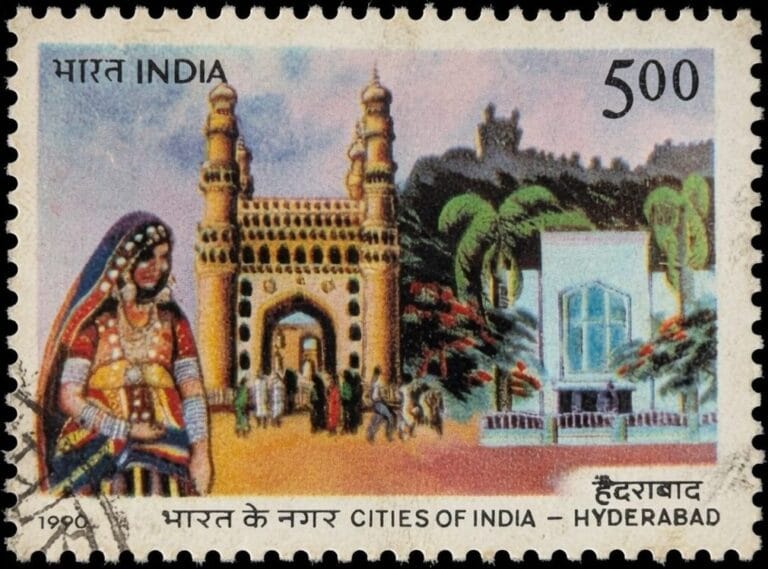
India Post gave Hyderabad a stamp for its four-hundredth birthday. The building on it was standing before there was a city to celebrate.

Hungary’s 1976 metric system stamp celebrated a hundred years of the metre. Twenty-two days later, its own government gave the country four more years to stop using anything else.
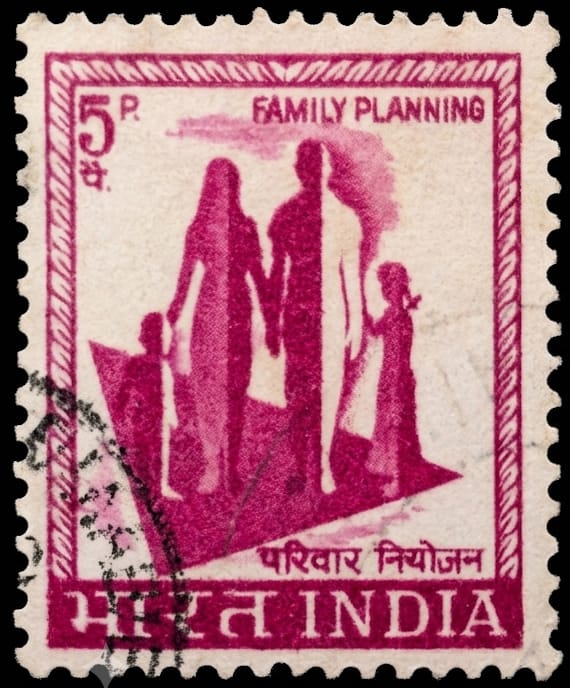
Across three decades and three definitive series, India Post printed its population policy onto the cheapest stamps in circulation. Then, one issue at a time, it stopped saying what it meant.
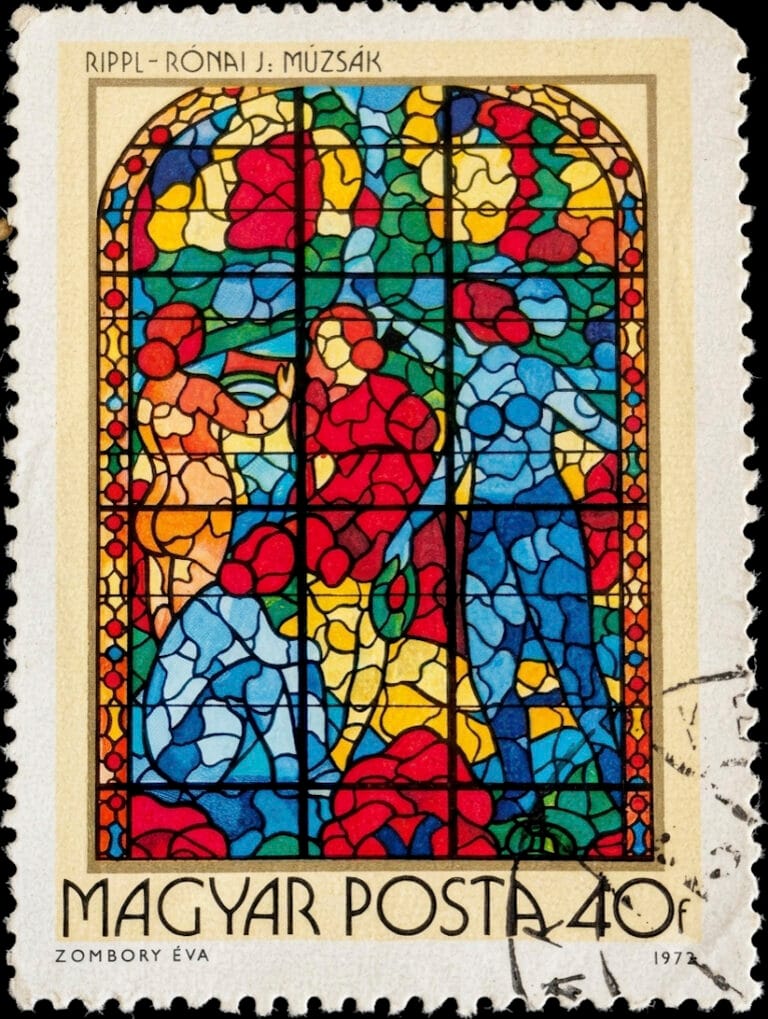
Rippl-Rónai designed in glass, and almost none of it survives. A 40-fillér Hungarian stamp from 1972 may be the most durable copy of a window nobody can quite locate.
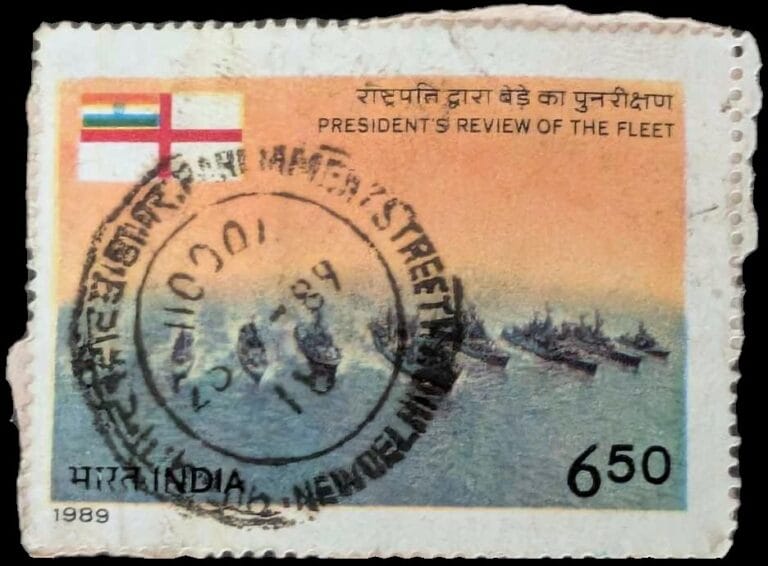
In 1989, India Post put a submarine at the center of a naval triumph stamp – one the Navy didn’t actually own, and had already agreed to hand back.
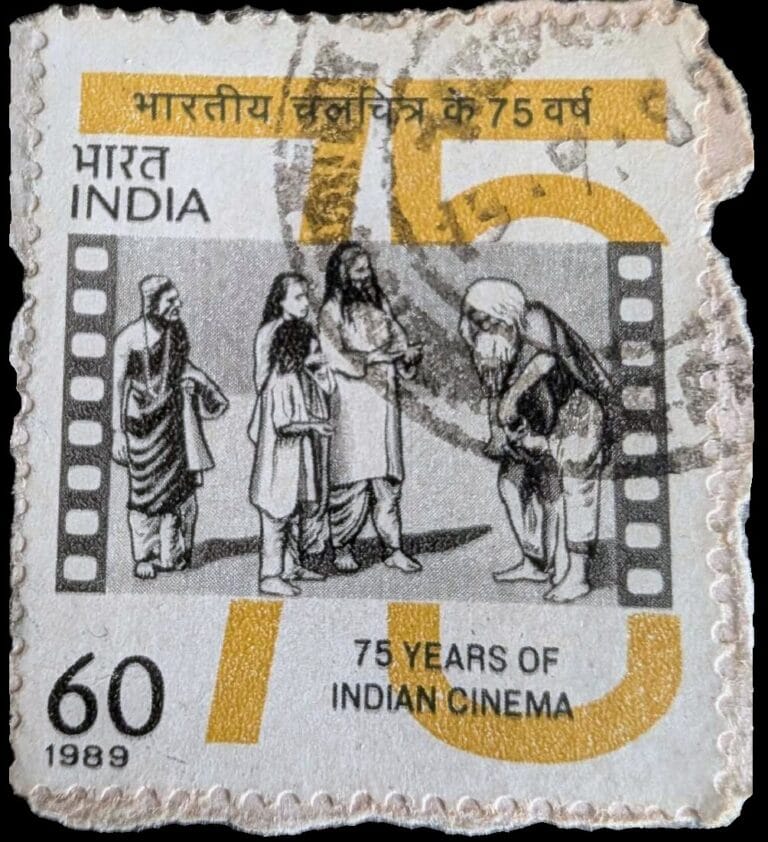
A platinum-jubilee stamp honors the birth of Indian cinema — but the film it pictures couldn’t find a single woman willing to appear in it.